
India’s banking revolution isn’t happening in Mumbai or Bangalore anymore. It’s unfolding in micro cities.. The numbers tell the story: BFSI hiring will jump 8.7% in FY26, creating 2,50,000 permanent jobs. Nearly half of these opportunities are emerging in Tier-2 and Tier-3 cities, regions that already contribute 40% to our GDP.
But bringing digital banking to India’s heartland means solving problems metros never faced. Limited infrastructure, complex compliance requirements, and sophisticated fraud attempts create a unique challenge.
Edge computing changes the game by processing data locally, detecting fraud in real-time, and ensuring compliance right where transactions happen. And in this blog, we’re going to discuss how these BFSI and Edge go hand in hand.
The Digital Banking Boom in Tier-2/3 Cities
Digital payments in smaller cities are exploding at 175% growth rates, but the reality on the ground is far more complex than these impressive numbers suggest. Here’s what’s actually happening: millions of first-time users are using digital banking, yet they’re doing so with minimal digital literacy, spotty internet connections, and virtually no access to formal credit histories.
The infrastructure tells its own story. Power supply remains inconsistent. Fiber connectivity is patchy at best. Traditional centralized data centers, hundreds of kilometers away, simply can’t deliver the real-time responsiveness these markets demand.
What this really means is: we’re trying to build a digital-first banking ecosystem on analog-era infrastructure.
This creates a fascinating paradox. The regions with the highest growth potential face the steepest operational challenges. Banks need to process transactions instantly, detect fraud in real-time, and maintain compliance with data localization requirements, all while serving customers in areas where a power outage or network failure is a regular occurrence.
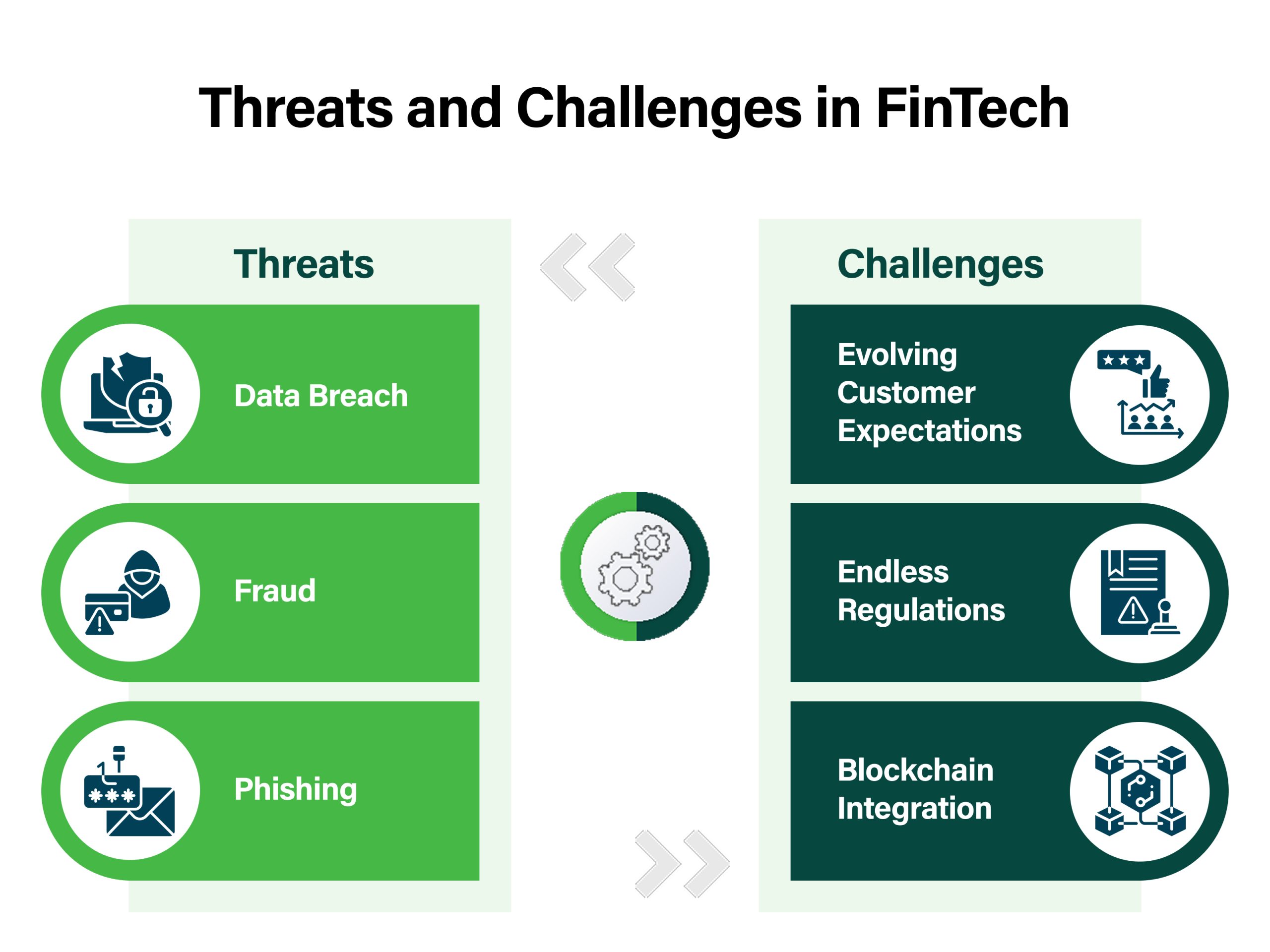
And these operational challenges only make the threats bigger.
That’s exactly why CtrlS is executing an aggressive edge datacenter expansion strategy. We’ve already operationalized facilities in Patna, Lucknow and Bubneshwar, to help enable compute power directly to these underserved markets. We’ve acquired land and initiated projects in Bhopal, Ahmedabad’s GIFT City, Guwahati, Nagpur, and Kochi. The plan is ambitious: over 20 edge datacenters across India in the next three to four years. This isn’t about building infrastructure for tomorrow. It’s about solving today’s problems and enabling localized, resilient computing power exactly where digital banking needs it most.
Why Edge Computing is Non-Negotiable for BFSI in Smaller Cities
Traditional cloud infrastructure was built for a different era and a different India. When you’re processing a UPI transaction in Ranchi or approving a loan application in Rajkot, every millisecond counts. Here’s why edge computing has become absolutely essential.
1. Ultra-Low Latency for Real-Time Transactions
Edge computing slashes latency from hundreds of milliseconds down to single digits. That difference sounds small, but it transforms user experience. Mobile banking apps respond instantly. UPI transactions are complete without frustrating delays. Digital wallets work smoothly even when connectivity is unreliable.
What really sets Edge apart is offline transaction processing. When network coverage drops, edge nodes cache and process transactions locally, syncing with central systems once connectivity is restored. For customers in areas with inconsistent internet, this means banking doesn’t stop when the network does.
2. Localized Fraud Detection & Enhanced Security
AI and machine learning models for fraud detection need real-time data processing. A fraudulent transaction flagged three seconds too late is money already gone. Edge computing runs these models locally, identifying suspicious patterns the moment they occur without waiting for data to travel to a distant datacenter and back.
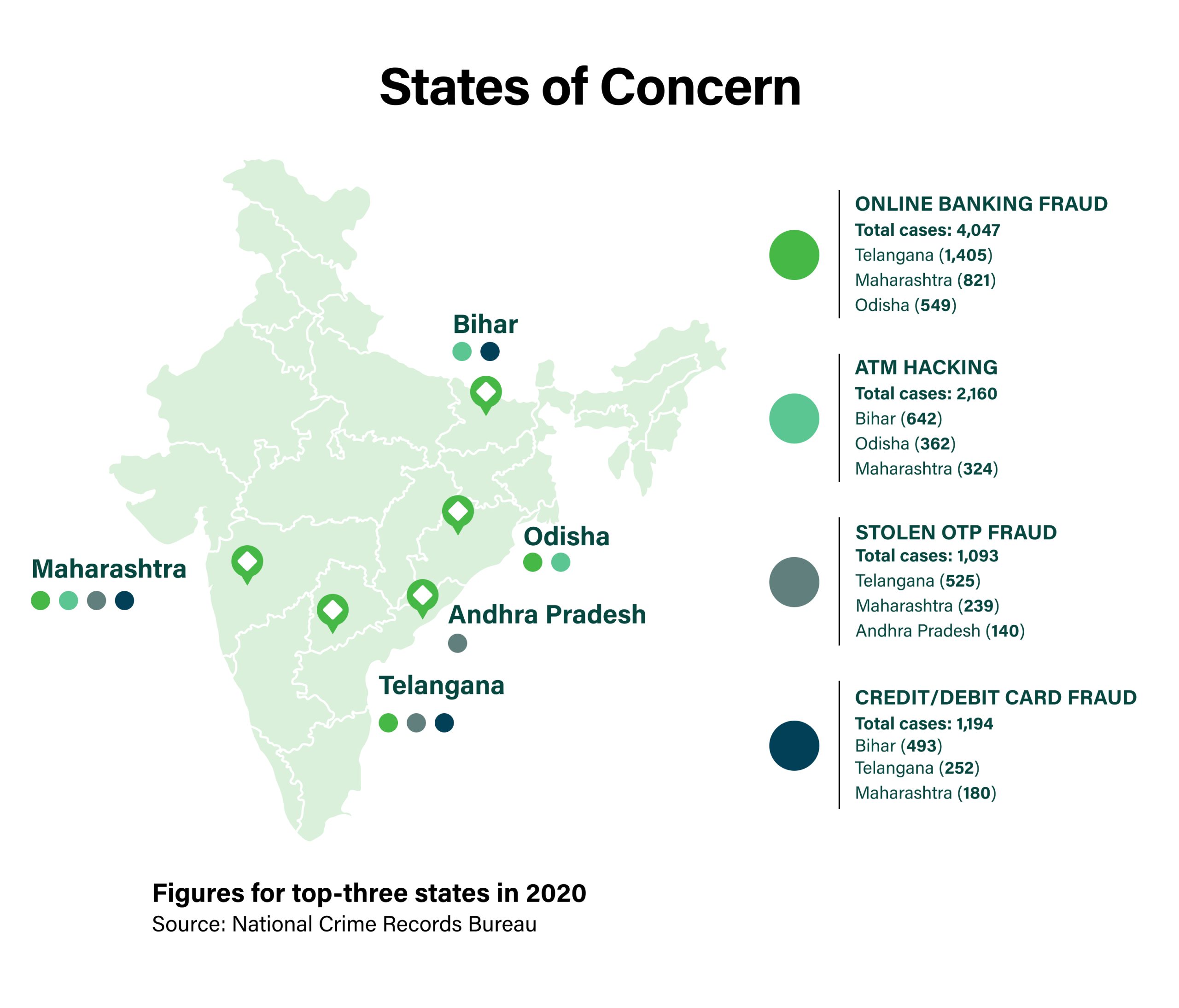
There’s another critical advantage, i.e., reduced attack surface. Every data transit point creates vulnerability. Edge minimizes these exposure points by processing sensitive information locally. This matters especially in Tier-2/3 cities, where fraudsters increasingly target less digitally-savvy populations with sophisticated scams.
3. Data Sovereignty & Compliance
RBI’s data localization mandates aren’t optional anymore. Customer data must stay within India, and increasingly, regulators expect regional storage for better oversight. Edge infrastructure makes compliance straightforward while actually improving performance. CtrlS embeds multi-layered security throughout our distributed infrastructure, ensuring every edge location meets the same rigorous standards as our hyperscale facilities.
Overcoming Infrastructure & Operational Challenges
Now, let’s discuss what keeps BFSI executives awake at night.
Key Challenges
It’s deploying digital banking infrastructure in cities where power cuts are routine, fiber connectivity is limited, and finding qualified IT talent locally is nearly impossible. Add varying state-level regulations and the constant threat of network intrusions, and you’ve got an operational nightmare.
The traditional approach, building large local IT teams in every Tier-2/3 location, simply doesn’t scale. It’s expensive, slow, and unrealistic given the talent constraints. Edge computing solves the latency problem, but someone still needs to keep those distributed systems running flawlessly around the clock.
The Most Reliable Solution
That’s where managed services become critical. You need 24/7 remote monitoring that catches issues before customers notice them. Proactive resolution that prevents downtime rather than just responding to it. Comprehensive security management spanning UTM, SD-WAN, and SASE with multi-factor authentication. Database management ensures high availability. And disaster recovery plans that work at both the application and site levels. To enable this you need ready to scale Edge DC Infrastructure.
Real-World Impact: Use Cases for BFSI in Tier-2/3 Cities
Let me show you how this actually plays out in practice. Edge computing isn’t theoretical for banks operating in smaller cities. It’s solving real problems right now.
1. Digital Banking Units (DBUs)
RBI pushed hard for DBUs in underserved areas, but here’s the challenge: operational costs in low-traffic locations can kill profitability fast. Edge infrastructure changes the economics completely. Banks maintain service quality without the massive overhead of traditional branch IT systems. When connectivity drops in a remote area, edge nodes keep basic banking services running. The DBU stays operational, customers stay satisfied, and the unit remains viable.
2. Cooperative Banks & Regional Financial Institutions
RBI’s four-tiered framework for Urban Cooperative Banks brought serious compliance requirements. Core Banking Systems aren’t optional anymore. Capital adequacy norms demand real-time reporting. Smaller institutions can’t afford massive IT buildouts, but they can’t ignore these mandates either. Edge infrastructure delivers compliance-ready systems at a fraction of traditional costs while handling the operational complexity these banks face daily.
3. Fintech Expansion
Buy Now Pay Later platforms, digital wallets, and alternative credit scoring services are booming in Tier-2/3 cities. The problem? Most customers have zero formal credit history. AI-driven credit assessment models need to process alternative data sources in real-time. Voice-based interfaces help low-literacy populations access these services. All of this requires serious computational power close to the user.
4. Fraud Prevention at Scale
Fraudsters love targeting less digitally-savvy populations. AI-powered image and video recognition for KYC verification stops fake identities at onboarding. Real-time pattern recognition catches money laundering attempts as they happen. Phishing and identity theft prevention systems need to analyze behavior instantly, not after data bounces to a distant datacenter.
CtrlS’s edge infrastructure makes all of this possible. Our facilities in cities like Bhopal are specifically designed as AI-ready infrastructure with GPU capabilities for these intensive applications. When a fintech needs to run credit scoring models or a bank needs real-time fraud detection, the compute power is already there, locally deployed and ready to scale.
The Road Ahead: Building Resilient BFSI Infrastructure
India’s financial future isn’t being written only in boardrooms in Mumbai or Bengaluru. It’s being built in Patna, Bhubaneswar, Kochi and dozens of Tier-2 and Tier-3 cities that many still call “emerging.”
These cities already contribute nearly 40% of India’s GDP. And their role in shaping the next phase of financial inclusion will only accelerate.
At CtrlS, we’re not just building data centers.We’re enabling a pan-India edge ecosystem that brings world-class, resilient BFSI infrastructure closer to where growth is actually happening.
Our roadmap of 20+ edge data centers isn’t about technology for technology’s sake.
It’s about ensuring that a small business owner in Nagpur experiences the same secure, reliable, and seamless banking services as a startup founder in Bengaluru.
Because true financial inclusion isn’t just about access to finance, it’s about access to infrastructure.

Vipul Kumar, Senior Vice President – Edge & Network Business, CtrlS Datacenters
Vipul is a seasoned telecom and datacenter leader with over two decades of rich experience spanning submarine cable systems, edge datacenters, and network infrastructure ecosystems. He is passionate about building sustainable, compliant, and scalable digital infrastructure that empowers regional enterprises, SMEs, and hyperscale players alike. As Senior Vice President – Edge & Network Business at CtrlS, he leads initiatives that bridge connectivity and compute — from fiber and network deployments to strategic partnerships and business development, building the network foundation and ecosystem partnerships that power CtrlS’s pan-India edge datacenter expansion.

 marketing@ctrls.in